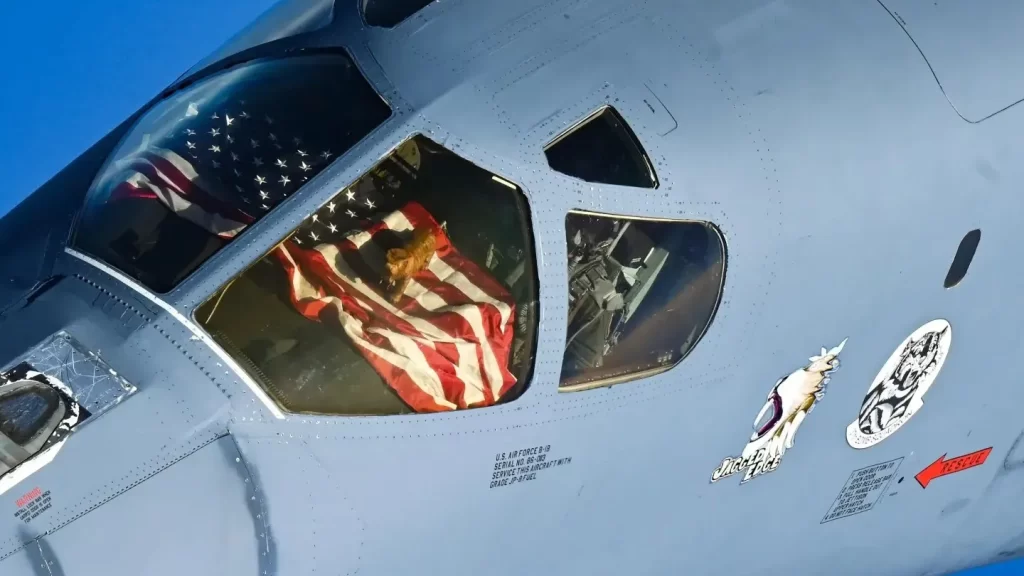

A critical report underscores the erosion of standards, raising questions about the force’s overall preparedness. | Image:AP
As the US Air Force commemorated its 76th anniversary in September, it faced a critical juncture marred by declining operational capabilities, recruitment shortfalls, and persistent challenges in maintaining readiness. Despite the historical success of Operation Desert Storm, reports indicate that the USAF is currently grappling with a diminished combat aircraft inventory, acute pilot shortages, and a concerning drop in overall operational readiness.
Operation Desert Storm, where the USAF played a pivotal role, stands in stark contrast to the present challenges faced by the force on its 76th anniversary. The operational landscape has evolved, raising questions about the USAF’s adaptability in the face of emerging geopolitical complexities. At the heart of the concerns are reports detailing a significant decrease in the size and serviceability of combat aircraft, coupled with a shortage of pilots.
Pilot readiness and training deficiencies threaten air superiority
The force’s attempts to bolster its ranks through relaxed recruitment standards have fallen short, amplifying the strain on meeting operational demands. Experts weigh in on the USAF’s diminishing pilot readiness, exacerbated by truncated training schedules. A nuanced comparison with the Cold War era underscores the stark decline in the average number of sorties and flying hours for Air Force fighter pilots.
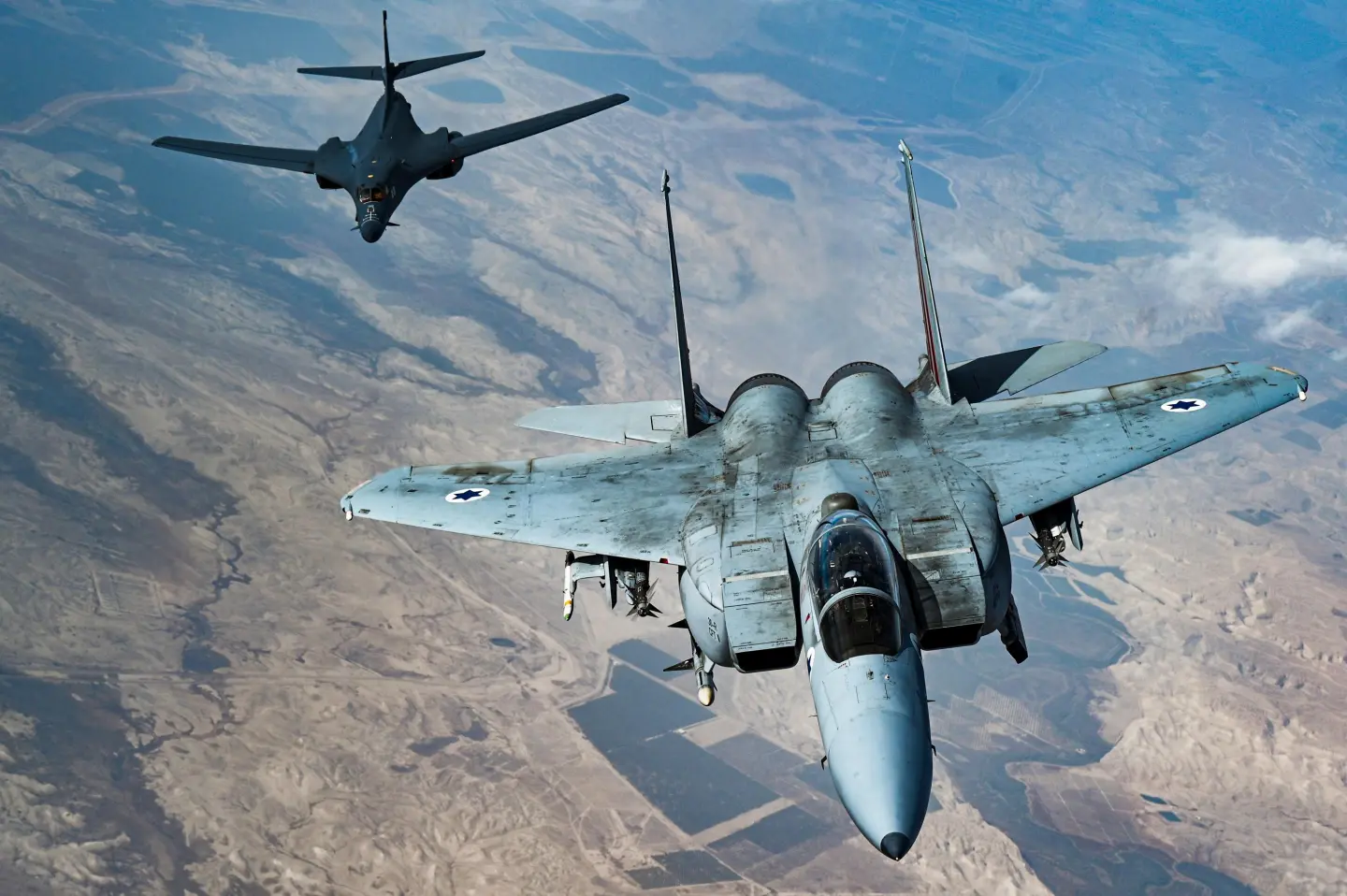
The critical report titled “The US Air Force is in serious Decline” emphasizes the diminishing emphasis on air supremacy, a core tenet of the force’s mission. It underscores the erosion of standards in pilot readiness, exemplified by a considerable reduction in the average number of annual sorties flown. In the midst of recruitment challenges and budgetary constraints, the USAF struggles to maintain its desired force size. Recruitment shortfalls in both Active-Duty and Air Reserve categories, coupled with the lowest flight hours budget in 2024, raise questions about the force’s overall preparedness.
Analyzing disparities: USAF vs. PLA Air Force
A meticulous comparative analysis illuminates the disparities between the USAF and the People’s Liberation Army Air Force (PLA-Air Force) of China, outlining the challenges posed by China’s rapid military advancements.
While the USAF contends with constraints in combat aircraft inventory and readiness, the PLA-Air Force emerges as the third-largest globally, boasting over 2,250 combat aircraft. Experts caution that China’s expanding naval strength and strategic assets could offset any numerical advantage held by the USAF, particularly in the realm of stealth aircraft.
A comprehensive exploration of China’s air capabilities, including its nuclear triad and strides in stealth technology, raises concerns about its burgeoning influence. Despite a reported tanker deficit, China’s efforts to address this shortfall and enhance power projection capabilities are seen as potential catalysts for shifts in the global military landscape.
The report delves into the multifaceted dimensions of China’s air capabilities, incorporating its nuclear triad and advancements in stealth technology. Observations on China’s tanker deficit, coupled with initiatives to convert cargo planes into tankers, signal potential disruptions in the global balance of power, challenging established dynamics.